
Learn how to deploy applications to the cloud for beginners easily and practically, from preparation to implementation using cloud computing services.
Introduction
The development of cloud computing technology has transformed how developers build and run applications. Today, deploying applications to the cloud has become the preferred choice because it is more flexible, scalable, and efficient compared to using local servers.
For beginners, the process of deploying applications to the cloud may seem complex. However, with the right understanding and a structured approach, anyone can do it بسهولة. This article discusses how to deploy applications to the cloud for beginners in a practical and structured way.
What is Application Deployment to the Cloud?
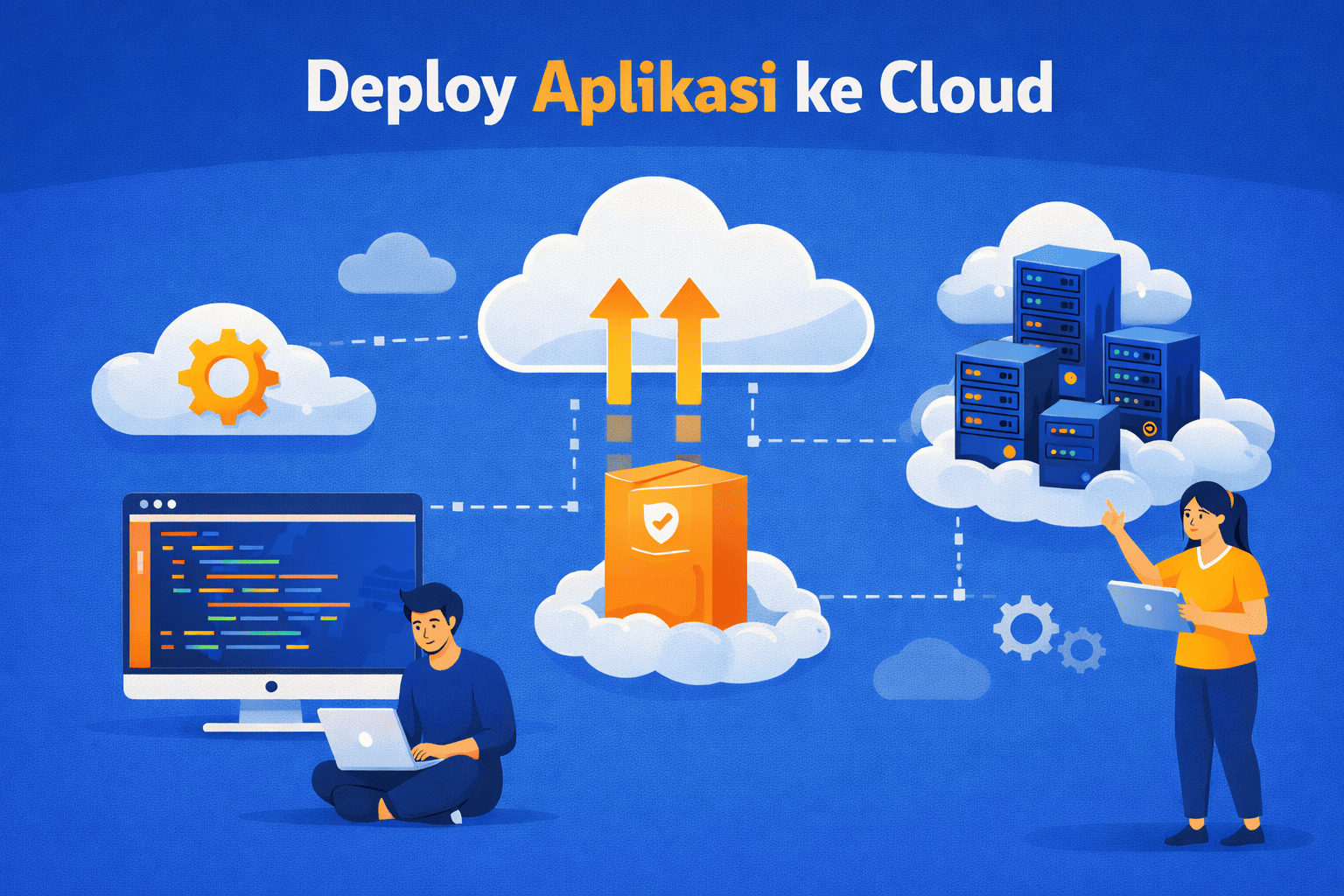
Deploying applications to the cloud is the process of placing an application on cloud-based servers so it can be accessed via the internet. The cloud provides infrastructure without the need to purchase and manage hardware directly.
Some popular cloud platforms include:
- Amazon Web Services (AWS)
- Google Cloud Platform (GCP)
- Microsoft Azure
With cloud computing, developers can run applications globally with stable performance.
Benefits of Using Cloud Computing
Using cloud computing for application deployment offers many advantages, such as:
- High scalability based on needs
- Cost efficiency (pay-as-you-go)
- Global access via the internet
- Ease of maintenance
- Improved security
According to research by Dr. R. Setiawan in Jurnal Teknologi Informasi dan Komunikasi (2023), the implementation of cloud computing can improve operational efficiency by up to 40% in web-based systems.
Preparation Before Deploying Applications
Before deploying, there are several things that need to be prepared:
- A ready-to-use application (web or mobile backend)
- Source code stored in a repository (GitHub/GitLab)
- A cloud service account
- Basic knowledge of command line
These preparations are essential to ensure a smooth deployment process.
Steps to Deploy Applications to the Cloud
Here are simple steps to deploy applications to the cloud for beginners:
1. Choose a Cloud Platform
The first step is selecting the appropriate cloud platform. For beginners, it is recommended to use user-friendly platforms such as:
- Vercel (for frontend)
- Netlify
- Heroku
These platforms offer easy deployment with minimal configuration.
2. Upload Source Code to a Repository
Ensure your application is uploaded to a repository like GitHub. This simplifies integration with cloud services.
3. Connect the Repository to the Cloud
Log in to your cloud platform and connect your GitHub account. Then select the repository you want to deploy.
4. Configure Deployment
Some configurations to consider:
- Build command
- Environment variables
- Runtime (Node.js, Python, etc.)
Most cloud platforms provide default settings suitable for beginners.
5. Run Deployment
Click the deploy button and wait for the process to complete. If successful, your application will have a public URL that can be accessed online.
6. Monitoring and Maintenance
After deployment, monitor your application to ensure stable performance. Use logging and analytics tools provided by the cloud platform.
Common Tools Used
In the deployment process, several tools are commonly used:
- Docker (for containerization)
- Git (version control)
- CI/CD tools such as GitHub Actions
- Nginx (web server)
These tools help improve deployment efficiency.
Challenges in Deploying Applications to the Cloud
Some challenges commonly faced by beginners include:
- Lack of understanding of server configuration
- Errors during build or deployment
- Managing environment variables
- Uncontrolled costs
However, with practice and proper documentation, these challenges can be overcome.
The Role of Academics in Cloud Computing Development
In the development of cloud computing technology, academic contributions play an important role. One study by Dr. R. Setiawan in Jurnal Teknologi Informasi dan Komunikasi (2023) states that the adoption of cloud computing in educational environments can improve system efficiency and accessibility of digital services.
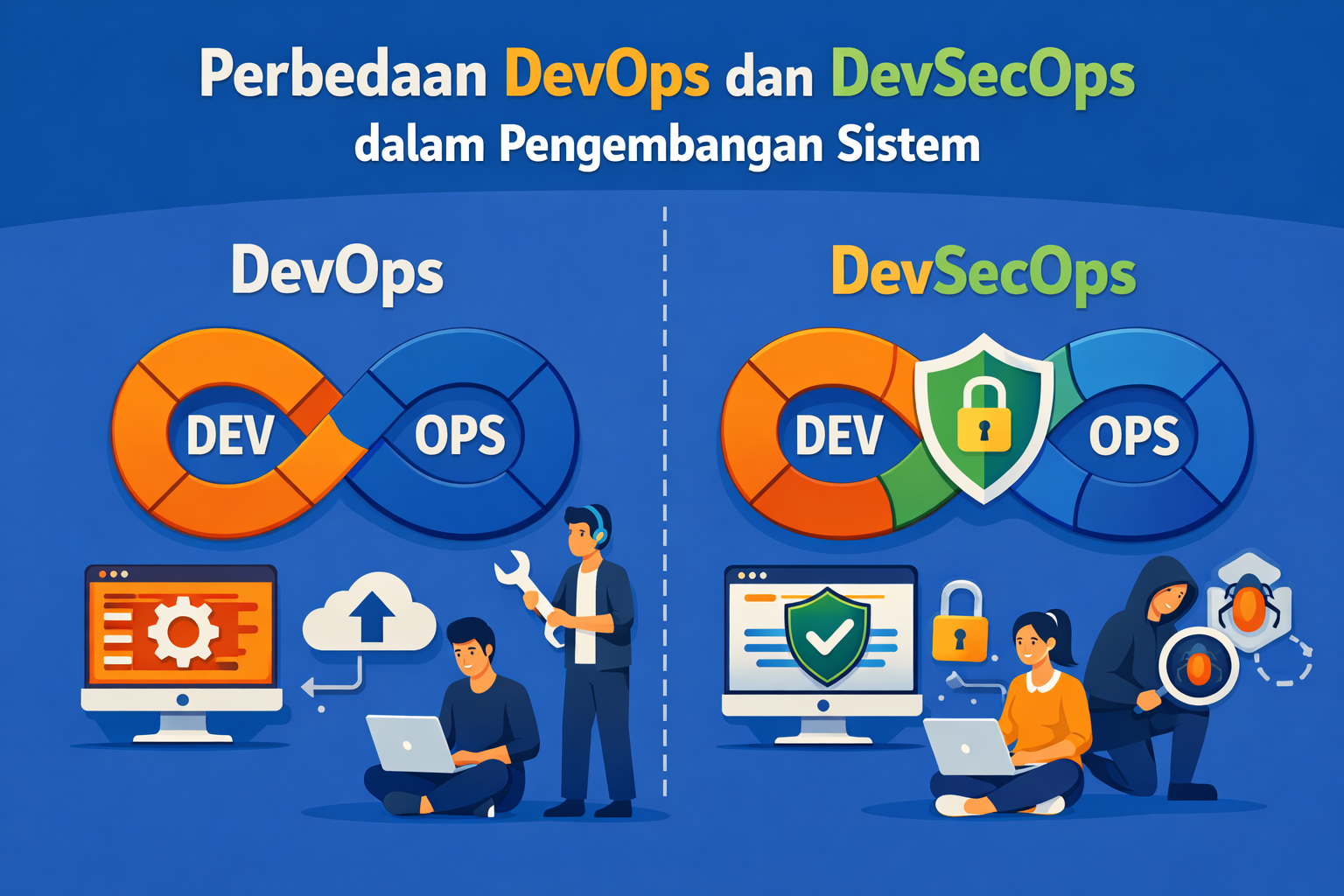
Additionally, research by Dr. Andi Pratama in Jurnal Sistem Informasi (2022) highlights the importance of integrating cloud with DevOps to accelerate application deployment processes in both academic and industrial environments.
Tips for Deploying Applications to the Cloud
To ensure a smoother deployment process, consider the following tips:
- Start with simple platforms like Vercel or Netlify
- Use official documentation as a guide
- Perform testing before deployment
- Use environment variables for security
- Monitor resource usage to control costs
Conclusion
Deploying applications to the cloud is an essential step in modern system development. By understanding how to deploy applications to the cloud for beginners, developers can fully leverage cloud technology.
Although there are challenges, the deployment process can be learned gradually. With the right tools and a solid foundational understanding, anyone can run applications in the cloud efficiently and effectively.
References
- Setiawan, R., “Implementasi Cloud Computing dalam Sistem Informasi,” Jurnal Teknologi Informasi dan Komunikasi, 2023.
- Pratama, A., “Integrasi DevOps dan Cloud dalam Pengembangan Sistem,” Jurnal Sistem Informasi, 2022.
- Mell, P., & Grance, T., “The NIST Definition of Cloud Computing,” National Institute of Standards and Technology, 2011.