


Have you ever wondered how an online store seems to know exactly what you want to buy next, or how a streaming platform recommends a show you end up loving? This isn’t magic — it’s algorithms quietly working behind the scenes, analyzing patterns in your behavior to predict what you’re likely to want before you even search for it. Today, nearly every major brand relies on some form of predictive algorithm to shape marketing strategy, personalize experiences, and stay ahead of shifting consumer preferences.
What Are “Everyday Algorithms” in Marketing?
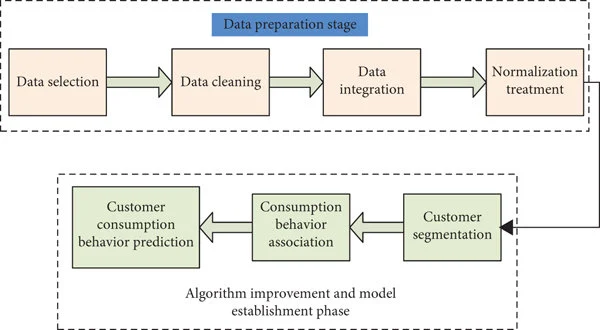
In a business context, an algorithm is simply a structured set of rules or statistical steps used to process data and generate a prediction or decision. In marketing, these algorithms process massive amounts of customer data — browsing history, purchase records, social media activity, and even how long someone lingers on a product page — to anticipate needs.
- Recommendation engines suggest products based on past purchases or similar users’ behavior.
- Sentiment analysis algorithms scan social media and reviews to gauge public opinion about a brand or product.
- Predictive analytics models forecast future buying behavior using historical patterns.
- Clustering algorithms group customers into segments with shared characteristics for targeted campaigns.
These tools don’t just automate marketing; they transform it from a guessing game into a data-informed science.
How Brands Actually Collect and Use Consumer Data
Every interaction a consumer has with a digital platform generates data, and brands are increasingly skilled at converting that data into actionable insight.
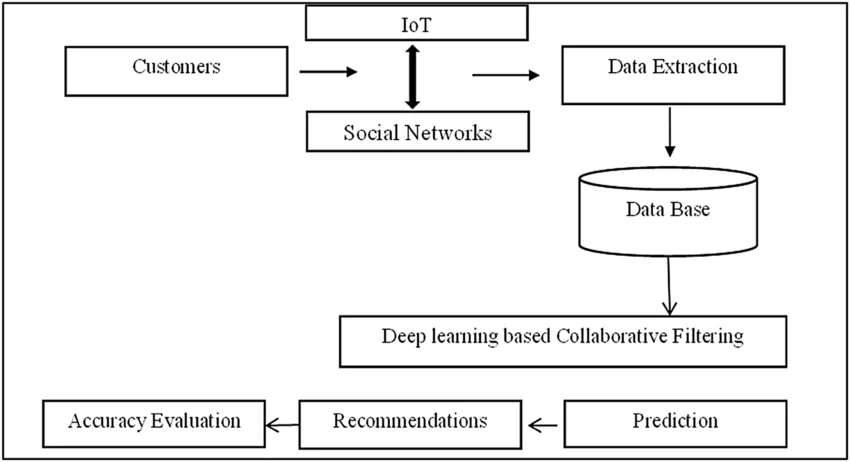
- Data collection: Websites, apps, and social media platforms track clicks, searches, time spent, and purchase history.
- Data processing: Algorithms clean and organize this raw information into structured datasets.
- Pattern detection: Machine learning models identify correlations, such as customers who buy running shoes also tending to buy fitness trackers.
- Prediction and personalization: The system generates individualized recommendations, targeted ads, or dynamic pricing based on these patterns.
A relevant example comes from academic research conducted at Telkom University. Prihono and Sari (2019) analyzed social influence marketing for mobile payment platforms using a Support Vector Machine algorithm, measuring metrics such as net sentiment and share of voice to understand how digital word-of-mouth shaped consumer perception of brands like GoPay, OVO, and DANA. Their findings demonstrated how machine learning can convert scattered social media chatter into measurable insight that companies use to refine marketing strategy and predict which brand narratives will resonate with consumers.
Common Techniques Brands Use to Predict Consumer Desires
Understanding the mechanics behind predictive marketing helps demystify why your favorite apps seem to “know” you so well.
- Collaborative filtering: Recommends products based on what similar users have liked or purchased — this is how platforms like streaming services and e-commerce sites build “you might also like” sections.
- Content-based filtering: Suggests items similar to what a specific user has already shown interest in, based on product attributes rather than the behavior of other users.
- Sentiment analysis: Uses natural language processing to interpret whether customer feedback, reviews, or social posts are positive, negative, or neutral.
- Customer segmentation and clustering: Groups customers with shared traits (age, spending habits, interests) so brands can target campaigns more precisely.
- Dynamic pricing algorithms: Adjust prices in real time based on demand, competitor pricing, and customer willingness to pay.
Why This Matters for Both Brands and Consumers
For businesses, predictive algorithms translate directly into measurable outcomes: higher conversion rates, better customer retention, and more efficient advertising spend. For consumers, the benefits can include more relevant recommendations, fewer irrelevant ads, and a smoother overall shopping experience.
However, this level of personalization also raises legitimate questions:
- Privacy concerns: Consumers are increasingly aware of how much personal data is collected and want more transparency about its use.
- Filter bubbles: Over-personalization can narrow the range of products or content a consumer is exposed to.
- Algorithmic bias: If training data reflects existing inequalities, predictive models can unintentionally reinforce them.
- Trust and transparency: Brands that are open about how they use data tend to build stronger long-term customer relationships than those that aren’t.
Balancing effective personalization with ethical data use is quickly becoming one of the defining challenges for modern marketing teams.
The Future of Predictive Marketing
As artificial intelligence tools become more sophisticated, the line between “predicting” and “understanding” consumer desires continues to blur. Emerging trends include real-time personalization powered by generative AI, voice-search behavior analysis, and increasingly privacy-conscious models that still deliver relevant recommendations without over-collecting personal data. Brands that invest early in ethical, transparent predictive systems are likely to build stronger, longer-lasting customer trust than those chasing short-term personalization gains.
If you found this breakdown useful, you’ll likely enjoy our other articles that go deeper into the technology powering these everyday predictions — from how recommendation engines are built to how sentiment analysis shapes brand reputation online. Exploring those pieces will give you a fuller picture of how data-driven marketing actually works behind the scenes.
If you want to know more about Algorithm, read: Algorithm Is: Understanding the Definition, Types, and Applications
Conclusion
Modern brands no longer rely purely on intuition to understand what consumers want — they rely on algorithms trained to detect patterns hidden within enormous volumes of behavioral data. From recommendation engines to sentiment analysis and customer segmentation, these tools have transformed marketing into a precise, data-driven discipline. Yet with this power comes responsibility: brands must balance the benefits of personalization with genuine respect for consumer privacy and fairness. As predictive technology continues to evolve, understanding how it works empowers both businesses and consumers to navigate this new landscape wisely. Keep exploring our website for more articles that unpack the technology shaping how brands understand and serve their customers.
Frequently Asked Questions (FAQ)
1. How do algorithms know what I want to buy?
They analyze patterns in your past behavior, such as search history, purchases, and browsing habits, and compare them to patterns from similar users to predict future preferences.
2. Is it safe for brands to collect this much consumer data?
It depends on how transparently and responsibly the data is handled. Reputable brands follow data privacy regulations and give users control over what information is collected.
3. Can small businesses use predictive algorithms too?
Yes. Many affordable tools and platforms now offer built-in recommendation and analytics features, making predictive marketing accessible even without a large data science team.
References
- Prihono, O. F., & Sari, P. K. (2019). Comparison analysis of social influence marketing for mobile payment using support vector machine. Kinetik: Game Technology, Information System, Computer Network, Computing, Electronics, and Control, 4(4), 301–310. https://doi.org/10.22219/kinetik.v4i4.921 (Corresponding author verified on institutional record, Telkom University, email domain: telkomuniversity.ac.id)
- Chaffey, D., & Ellis-Chadwick, F. (2022). Digital Marketing: Strategy, Implementation and Practice (8th ed.). Pearson.
- Kotler, P., Kartajaya, H., & Setiawan, I. (2021). Marketing 5.0: Technology for Humanity. Wiley.
- Provost, F., & Fawcett, T. (2023). Data Science for Business: What You Need to Know about Data Mining and Data-Analytic Thinking (2nd ed.). O’Reilly Media.
- Telkom University Open Library. (2023). Machine Learning dan Deep Learning. Telkom University Press. https://openlibrary.telkomuniversity.ac.id/pustaka/231311/machine-learning-dan-deep-learning.html