



Launching your first website is a major milestone for any business, content creator, or aspiring entrepreneur. However, before picking out color palettes or drafting copy, you face a fundamental architectural choice: should you build your platform using a content management system (CMS) like WordPress, or build it completely from scratch with custom code?
Both approaches have powered millions of successful sites across the web, but they cater to drastically different priorities, technical budgets, and long-term business goals. Making the wrong choice early on can lead to wasted development costs or severe technical limitations down the road.
Understanding the Fundamental Approaches
To evaluate which development route aligns with your project, you must first understand how each platform operates behind the scenes.
- WordPress (Content Management System): A pre-built software platform that allows non-technical users to create, edit, and publish web content through an intuitive administrative dashboard. It uses pre-made themes for design and plugins for extra features.
- Custom Code (Bespoke Web Development): A website written directly from scratch by web developers using fundamental languages like HTML, CSS, JavaScript, and backend frameworks such as React, Node.js, or Laravel.
Evaluating WordPress for Your First Website
WordPress powers over 40% of all websites on the internet today, primarily due to its accessibility and rapid deployment speed.
Key Advantages of WordPress
- Rapid Deployment: You can launch a functional, professional-looking website in a matter of hours using existing themes and visual page builders.
- No Coding Knowledge Required: Non-technical owners can easily edit content, upload blog posts, and change site layouts without writing a single line of code.
- Extensive Plugin Ecosystem: Thousands of free and premium plugins allow you to instantly add features like contact forms, e-commerce stores, and SEO tools with a few clicks.
- Lower Initial Cost: Since you do not need to hire software engineers for basic setup, initial launch expenses remain minimal.
Drawbacks of WordPress
- Plugin Bloat & Slow Load Speeds: Combining too many third-party plugins can bloat code execution, slowing down page response times and hurting user experience.
- Maintenance & Security Vulnerabilities: Regular updates for WordPress core, themes, and plugins are mandatory to prevent security breaches from outdated plugin code.
Evaluating Custom Code for Your First Website
Building a website with custom code provides complete control over every pixel, database query, and user interaction.
Key Advantages of Custom Code
- Unmatched Speed & Performance: With zero unnecessary bloatware or background scripts, custom-built sites deliver lightning-fast page loading speeds.
- Total Design & Functional Freedom: You are never constrained by pre-made theme limits or plugin boundaries; developers can build any custom feature your business requires.
- Superior Security Control: Custom codebases reduce exposure to mass-automated vulnerability scripts that target popular CMS platforms like WordPress.
- Scalability: Purpose-built architectures handle high database query loads and complex application logic much more efficiently as your user base expands.
Drawbacks of Custom Code
- High Financial & Time Investment: Custom software development requires skilled programmers, resulting in significantly higher initial capital requirements and longer development cycles.
- Developer Dependency: Any future updates, layout tweaks, or bug fixes usually require hiring a software developer to modify the codebase directly.
Head-to-Head Comparison Matrix
| Feature | WordPress CMS | Custom Code |
| Development Speed | Fast (Hours to Days) | Slow (Weeks to Months) |
| Initial Cost | Very Low to Moderate | High to Very High |
| Technical Skill Required | Minimal (Drag-and-Drop) | Advanced (HTML, CSS, JS, Frameworks) |
| Performance & Speed | Moderate (Prone to plugin bloat) | Excellent (Fully optimized codebase) |
| Customization Limits | Bound by theme/plugin capabilities | Completely unlimited |
Decision Framework: Which Path Should You Take?
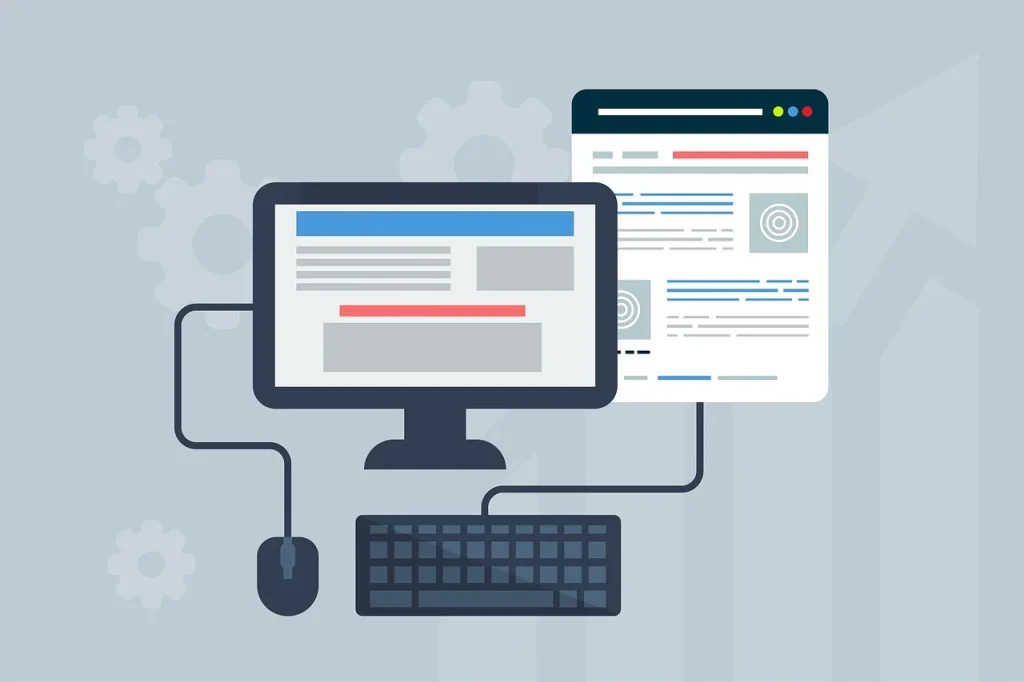
Choose WordPress if you need to get an online presence up quickly, have a limited starting budget, and plan to run a standard business brochure site, personal blog, or straightforward e-commerce store.
Choose Custom Code if you are building a unique web application, require specialized database interactions, prioritize raw page speed, or possess the development budget to support custom software engineering.
Conclusion
Deciding between WordPress and custom code ultimately comes down to your current budget, timeline, and functional requirements. WordPress offers an unbeatable, cost-effective entry point for traditional websites that require frequent content updates by non-developers. On the other hand, custom code delivers the ultimate performance, security, and flexibility required for complex digital products and custom platforms. Matching your development path to your operational goals ensures a solid foundation for long-term growth.
Read also: Mengenal Macam-macam CMS Website yang Populer Saat Ini
Frequently Asked Questions (FAQ)
1. Is WordPress bad for website Search Engine Optimization (SEO)?
No. WordPress is inherently search-engine friendly right out of the box. With plugins like Yoast SEO or Rank Math and a clean theme, WordPress sites regularly rank at the top of Google search results.
2. Can I convert a WordPress site into a custom coded site later?
Yes. Many businesses launch on WordPress to validate their product or content strategy quickly, then migrate to a custom coded stack once their revenue supports dedicated software development.
3. Which option is more secure against hackers?
Custom code generally has a smaller attack surface because it lacks public third-party plugins. However, a properly maintained, updated WordPress site with strong security configurations is also highly secure.
References
- Farikhah, N., Fauzi, R., & Dewi, F. (2021). Analisis manajemen risiko TI menggunakan Seven Enablers berdasarkan COBIT 5 for Risk (Studi Kasus: PT. ABC – Web Development & Web Maintenance). Journal of Science and Social Research, 4(3), 236–240. (Contact: [email protected] / [email protected]).
- Tel-U Press. (2024). Dasar Komputer: Panduan Penggunaan Software dan Hardware. Telkom University Press.
- Duckett, J. (2022). HTML and CSS: Design and Build Websites (2nd ed.). Wiley.
- Robbins, J. N. (2021). Learning Web Design: A Beginner’s Guide to HTML, CSS, JavaScript, and Web Graphics (5th ed.). O’Reilly Media.