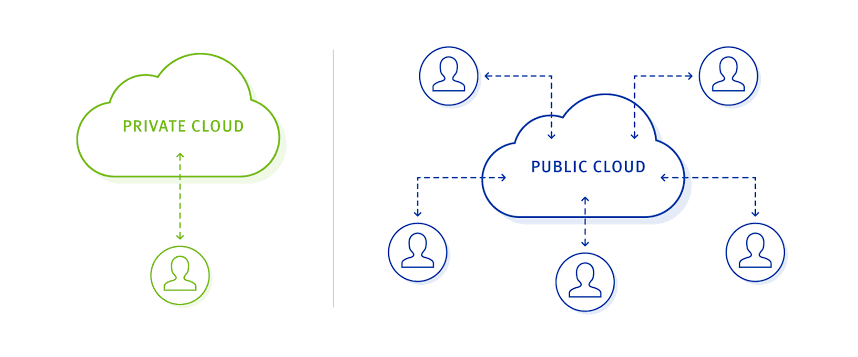





For an emerging startup, agility is everything. In the early stages of building a business, your engineering team needs to launch features rapidly, experiment with minimal viable products (MVPs), and adjust software configurations without being slowed down by physical infrastructure limits. This is why selecting a cloud ecosystem is one of the most critical foundational choices a technical founder will make.
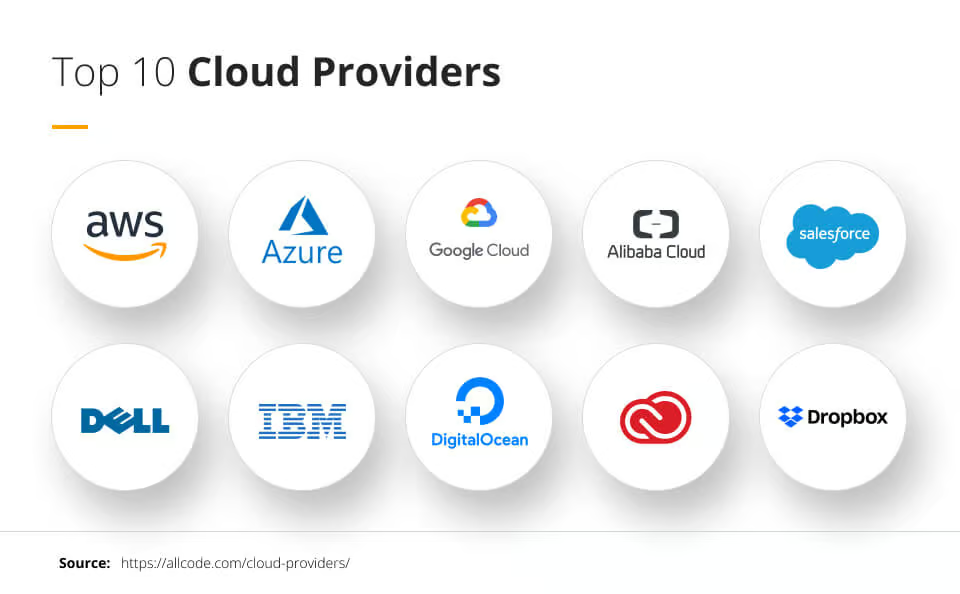
However, looking at the cloud market can be incredibly overwhelming. With major hyper-scalers like Amazon Web Services (AWS), Microsoft Azure, and Google Cloud Platform (GCP) competing alongside niche developer-focused alternatives, making the wrong choice can lead to massive architectural headaches, unexpected monthly billing spikes, or restrictive vendor lock-in. Choosing the right provider requires analyzing key parameters beyond raw computing power, focusing on cost transparency, scaling flexibility, and ecosystem compatibility.
Evaluate Startup-Specific Credits and Financial Onramps
In the initial phases of a startup, cash preservation is your highest operational priority. Cloud providers are fully aware of this and aggressively compete for early-stage companies by offering generous free tiers and introductory credit incentives.
- Startup Credit Programs: Programs like AWS Activate, Google for Startups, and Microsoft for Startups Founders Hub offer anywhere from $1,000 to over $100,000 in free cloud credits to qualified companies.
- Always-Free Resource Tiers: Beyond temporary promotional credits, investigate what basic computing, serverless functions, and storage layers remain free permanently, which is ideal for running low-traffic staging and testing environments.
- Granular Cost Governance Tools: Startups should prioritize cloud providers that offer real-time spending dashboards, automated budget alerts, and clear, granular billing structures to prevent minor software bugs from burning through your capital.
Analyze Architectural Scalability and Ecosystem Native Services
A growing startup needs a cloud provider that can handle ten users today and ten million users next month without requiring a complete rewrite of your software code. Scalability is not just about having access to massive data centers; it is about how easily the provider’s native tools allow you to scale your infrastructure up or out.
When building an application, you must decide whether to rely on standard virtual machines or tap into advanced platform abstractions. According to modern cloud infrastructure studies published in Telkom University technical journals, selecting a provider that offers balanced deployment models allows organizations to shift structural operational burdens away from internal teams, freeing up engineering resources to focus entirely on core software service delivery rather than baseline system maintenance (Tektrika, 2023).
- Container and Orchestration Support: Ensure the provider has a robust, managed Kubernetes or Docker container platform. Managed container engines allow your software to expand horizontally across multiple server nodes instantly.
- Serverless Compute Availability: Look for reliable serverless execution environments (like AWS Lambda or Google Cloud Functions). Serverless components only charge you for the exact milliseconds your code executes, scaling down to absolute zero when there is no user traffic.
- Managed Database Ecosystems: Setting up, clustering, and backing up databases manually is time-consuming. Choose a provider that offers fully managed relational (SQL) and non-relational (NoSQL) databases that handle replication and storage scaling automatically.
Want to see exactly how data moves through these massive global pipelines once your infrastructure scales out? To trace your files from your local environment to global data hubs, take a look at our article How Cloud Storage Actually Works: Where Your Data Goes When It Leaves Your Device right here on our website.
Assess Geographic Coverage, Latency, and Regulatory Compliance
The geographic distribution of your cloud provider’s data centers directly influences your end-user application performance. If your target customer base is concentrated in Southeast Asia, but your cloud provider only hosts server nodes in North America, your users will suffer from noticeable latency and slow loading speeds.
- Availability Zones and Edge Locations: Review the provider’s global network map. Look for a vendor that operates data clusters close to your core user demographics and maintains a broad Content Delivery Network (CDN) to cache assets at the network edge.
- Data Sovereignty Compliance: Depending on your jurisdiction and industry, you may face strict legal mandates regarding where user records can be stored physically. Ensure your provider offers compliant regional hosting zones to fulfill local data privacy laws.
- Service Level Agreements (SLAs): Examine the provider’s guaranteed uptime commitments. For consumer-facing applications, look for infrastructure tiers that offer a minimum guarantee of 99.99% operational availability.
Avoid Aggressive Vendor Lock-In by Prioritizing Portability
It is easy to get lured in by a provider’s highly specialized, proprietary features. However, building your entire product around a feature that only exists inside one specific cloud ecosystem makes it incredibly difficult and expensive to leave if that provider raises their prices or suffers from a massive regional outage later on.
- Open-Source Standards: Favor cloud providers that build their tools around open-source standards (such as Postgres for databases or Linux-based virtualization tools) rather than proprietary engines.
- Data Egress Pricing: Many cloud companies make it free to upload data into their ecosystem but charge hefty fees when you want to transfer data out. Read the fine print on network data egress costs to ensure your data isn’t trapped behind a financial firewall.
- Multi-Cloud Readiness: Design your system components cleanly so they can theoretically be deployed across different cloud systems using infrastructure-as-code software like Terraform.
Deciding between granular control over virtual machines or a fully automated deployment platform can redefine your startup’s speed to market. To discover which model aligns best with your development team’s workflow, explore our comprehensive Beginner’s Guide to Cloud Computing: Infrastructure as a Service vs. Platform as a Service hosted on our site.
Conclusion
Choosing a cloud provider for your growing startup is not a permanent life sentence, but it is a choice that sets your near-term engineering pace and structural cost baseline. By taking advantage of startup promotional credit programs, prioritizing managed ecosystems that scale dynamically, ensuring geographic proximity to your target users, and building with open-source portability in mind, you can establish a robust, elastic digital foundation that propels your business forward rather than holding it back.
Frequently Asked Questions (FAQ)
1. Should a startup choose AWS just because it is the market leader?
Not necessarily. While AWS offers the largest catalog of specialized services and the most mature ecosystem, it also features the steepest learning curve and highly complex billing structures. For many early-stage startups, alternative hyperscalers or developer-focused platforms offer much simpler setups and more predictable pricing to launch an MVP.
2. Is a multi-cloud strategy a good idea for an early-stage startup?
Almost never. While avoiding vendor lock-in is smart, trying to run your startup across multiple different cloud providers simultaneously adds immense architectural complexity and fractures your engineering focus. It is far better to pick one primary provider to start with while using open-source, portable coding practices that make moving easier in the future if necessary.
3. What happens when my startup’s free cloud credits run out?
When promotional credits expire, your account will automatically transition to a standard pay-as-you-go model, and your linked corporate credit card will be billed for actual consumption. To avoid sudden financial shock, startups must utilize budget tracking tools and clean up unused database instances or orphaned storage volumes well before the credit window closes.
References
- Kurose, J., & Ross, K. (2021). Computer Networking: A Top-Down Approach (8th ed.). Pearson.
- Telkom University. (2023). Government Cloud First Policy Adoption Strategy in Indonesia: Analysis and Recommendations. Tektrika, 7(1), 12–21. https://journals.telkomuniversity.ac.id/tektrika/
- Velte, A. T., Velte, T. J., & Elsenpeter, R. (2023). Cloud Computing: A Practical Approach (2nd ed.). McGraw-Hill.